Spatial Intelligence · Computational Medicine · Imaging and Signal processing

Zheng Lab

Spatial AI Intelligence

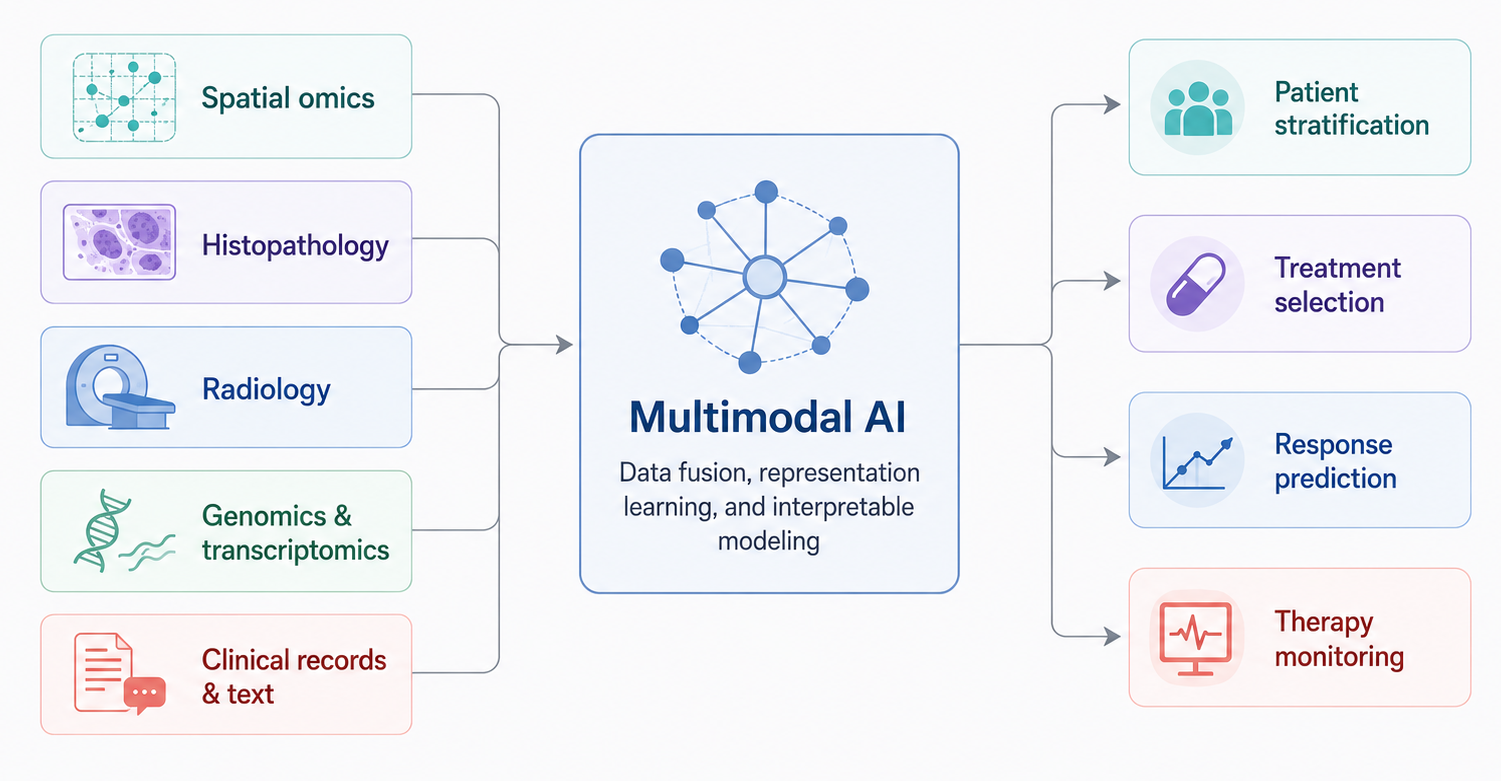
We develop next generation multi-modal AI for modeling spatially organized biological and physical systems, integrating imaging, omics, and sensing data to advance healthcare, energy, and environmental sciences.

Research

Core directions

01

Spatial Intelligence for Biological Systems

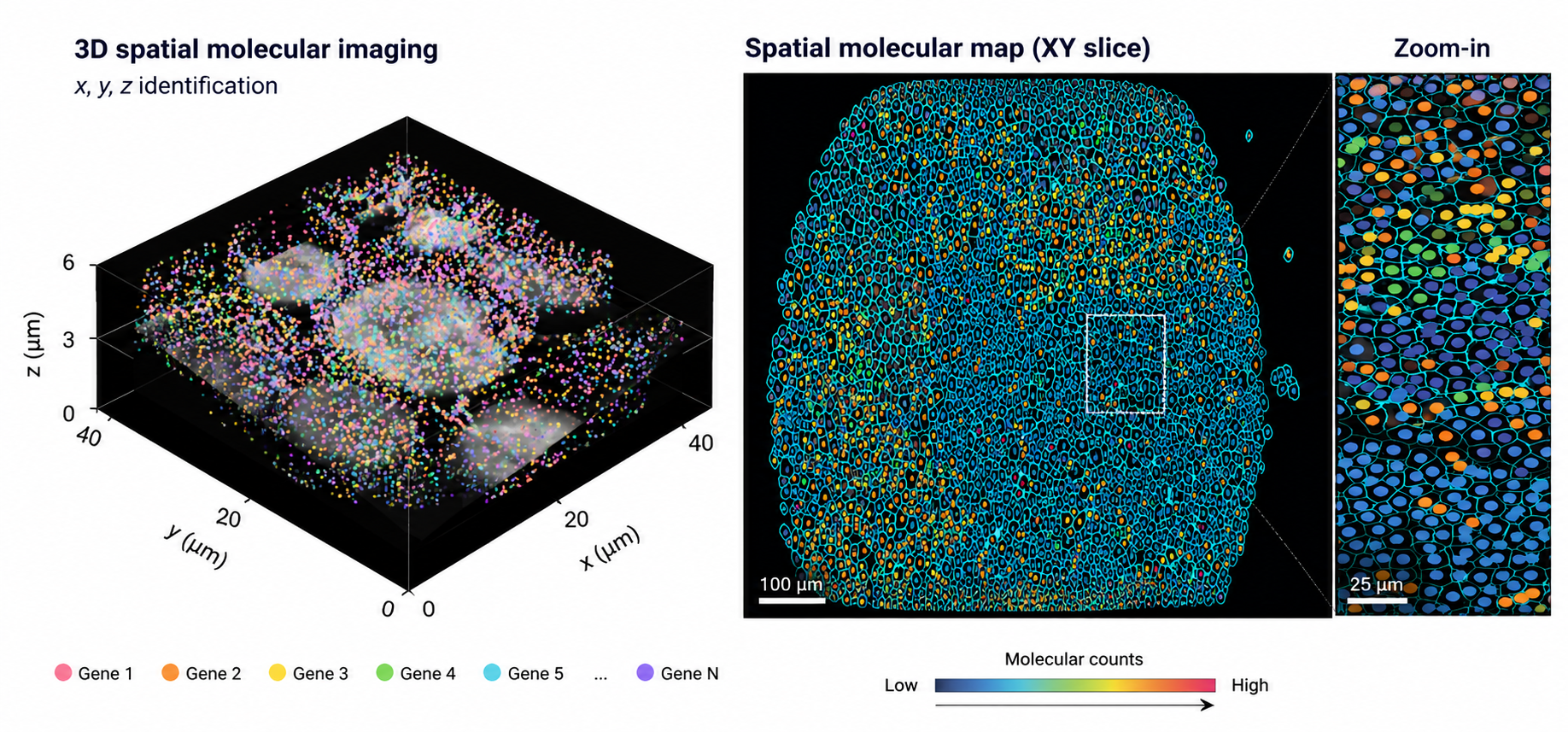
Develop multimodal AI methods to model cellular interactions, tissue architecture, and spatial ecosystems across imaging and omics modalities.

Illustration of spatial AI for molecular and biological systems
02

Foundation Models for Multimodal Biomedicine

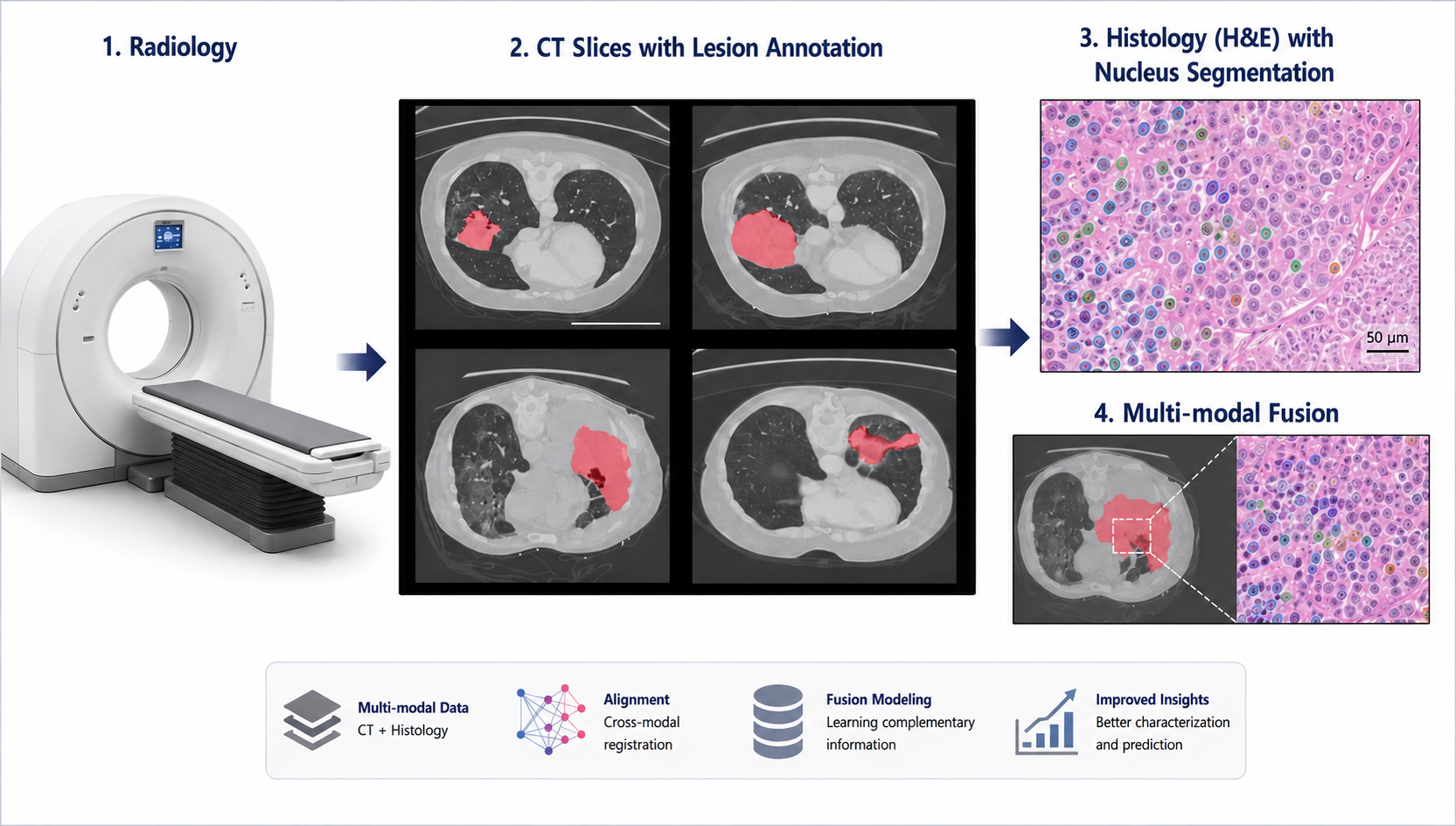
Build large-scale representation learning and foundation models for medical imaging, spatial omics, and clinical language data.

Illustration of foundation models for multimodal medical imaging
03

Industrial AI for Energy and Physical System

Develop AI frameworks for multimodal sensing, representation learning, and optimization in complex physical and energy systems.

Illustration of scientific AI for energy and physical systems
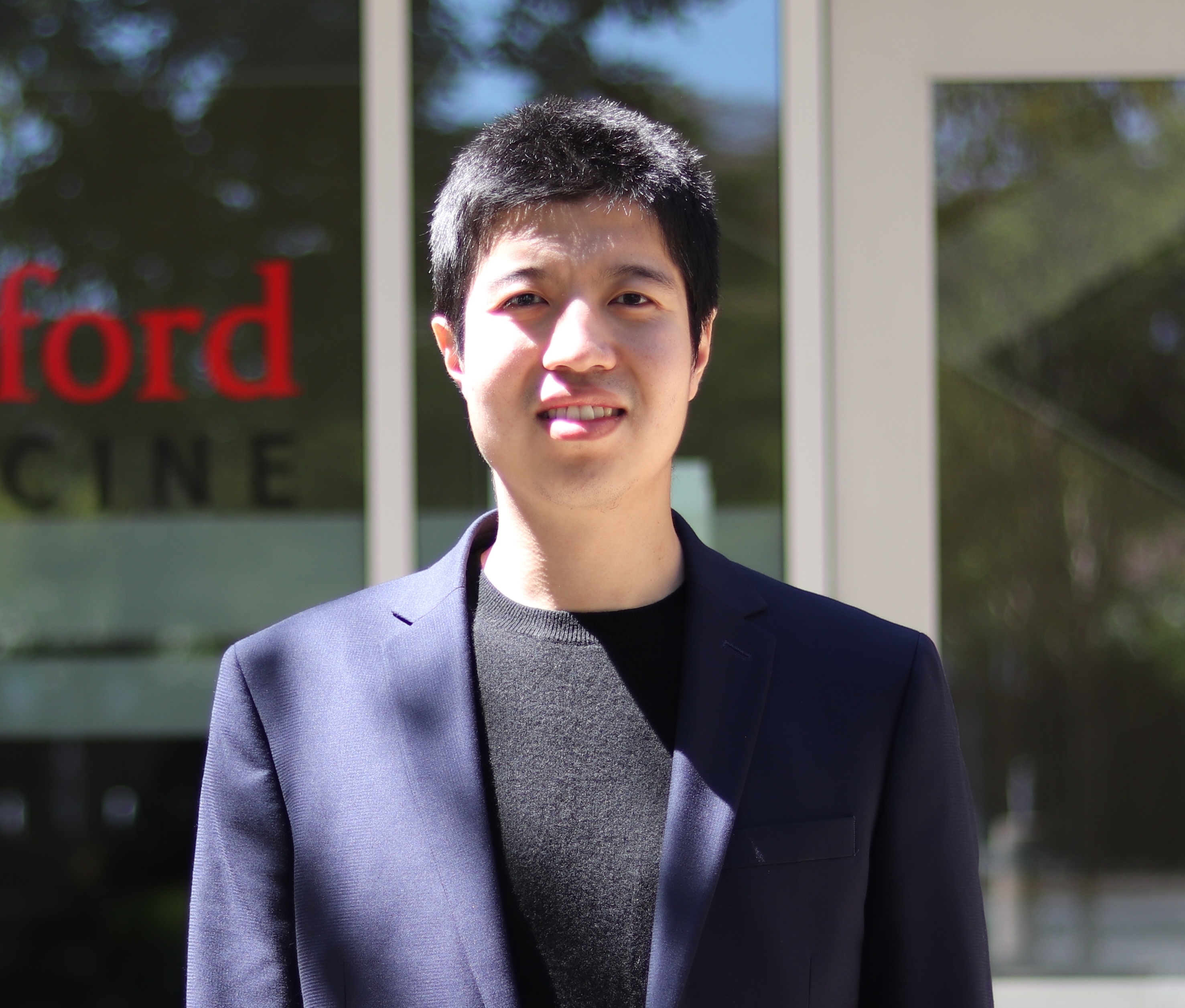
Yuanning Eric Zheng headshot

Principal Investigator

Yuanning (Eric) Zheng, PhD

Dr. Yuanning Zheng is a translational AI scientist whose research focuses on developing next-generation intelligent systems to advance precision medicine, healthcare, and sustainable energy systems. His work integrates multi-modal artificial intelligence, spatial modeling, medical imaging, and large-scale biological and physical data to better understand complex systems across healthcare and engineering domains.

Dr. Zheng received his M.S. in Computer Science from Georgia Institute of Technology and his Ph.D. from Texas A&M University. He completed his postdoctoral training at Stanford University, where he was mentored by Olivier Gevaert and Zinaida Good.

His research has been supported by the NIH/NCI K99/R00 Pathway to Independence Award. Dr. Zheng maintains active collaborations with clinicians, pathologists, engineers, and AI scientists across academia and medicine, with the goal of translating computational innovations into real-world impact in healthcare, energy, and environmental systems.

Software

Platforms

NucSegAI

Deep-learning model for robust nucleus segmentation in spatial proteomics and multiplexed tissue imaging workflows.

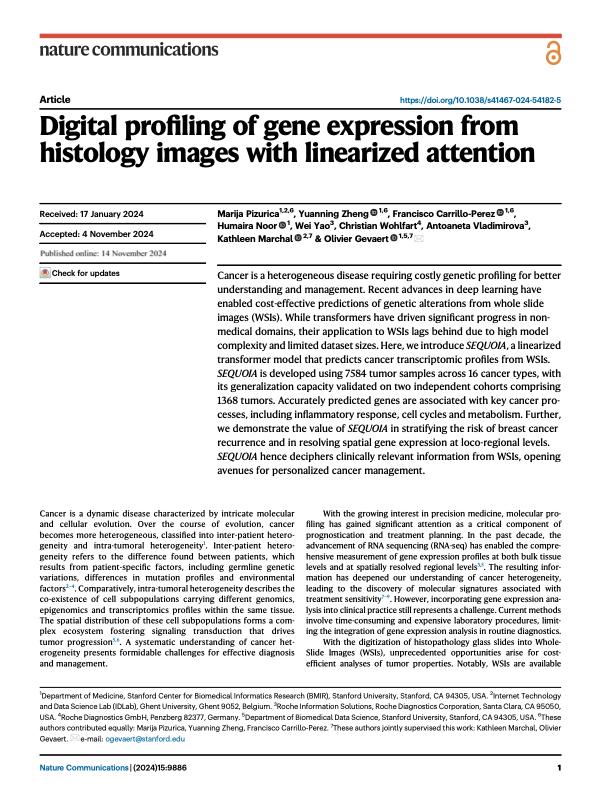
SEQUOIA

AI-powered digital pathology platform that predicts transcriptomic profiles from whole-slide images of cancer tissues at bulk and locoregional levels.

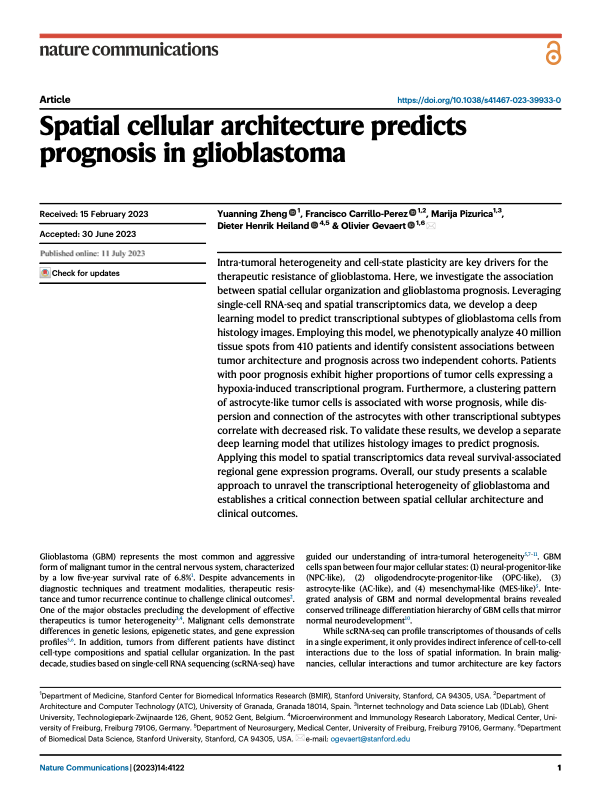
GBM360

End-to-end deep-learning framework for reconstructing spatial cellular architecture from glioblastoma histology images and predicting patient prognosis.

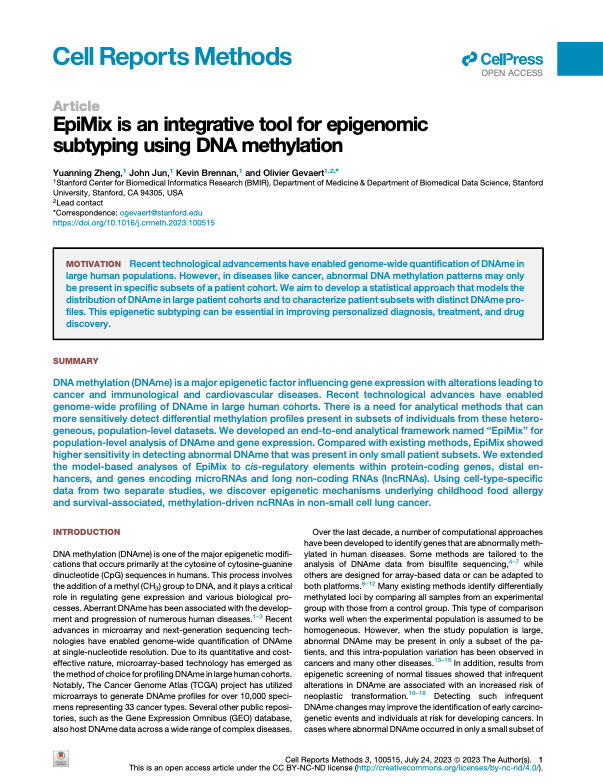
EpiMix

R-based computational tool for population-scale analysis of epigenomic and transcriptomic data across promoters, enhancers, microRNAs, lncRNAs, and genes.

Selected publications

Recent work

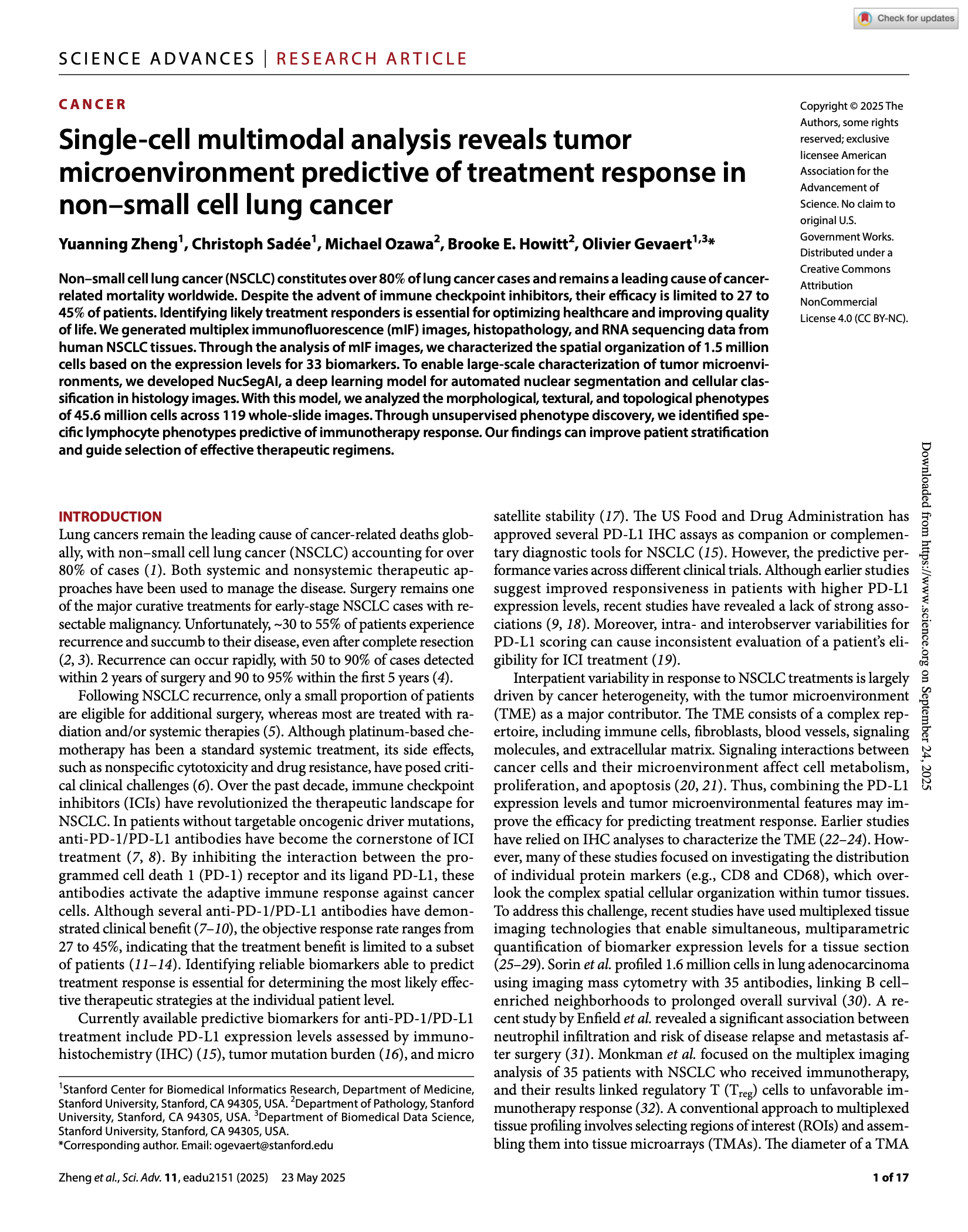
First page of Science Advances 2025 publication

Zheng Y, Sadée C, Ozawa M et al. Single-cell multi-modal analysis reveals tumor microenvironment predictive of treatment response in non-small cell lung cancer. Science Advances, 11(21), 2025.

First page of Nature Communications 2024 SEQUOIA publication

Pizurica M*, Zheng Y*, Carrillo-Perez F et al. Digital profiling of cancer transcriptomes from histology images with linearized vision attention. Nature Communications, 15(9886), 2024.

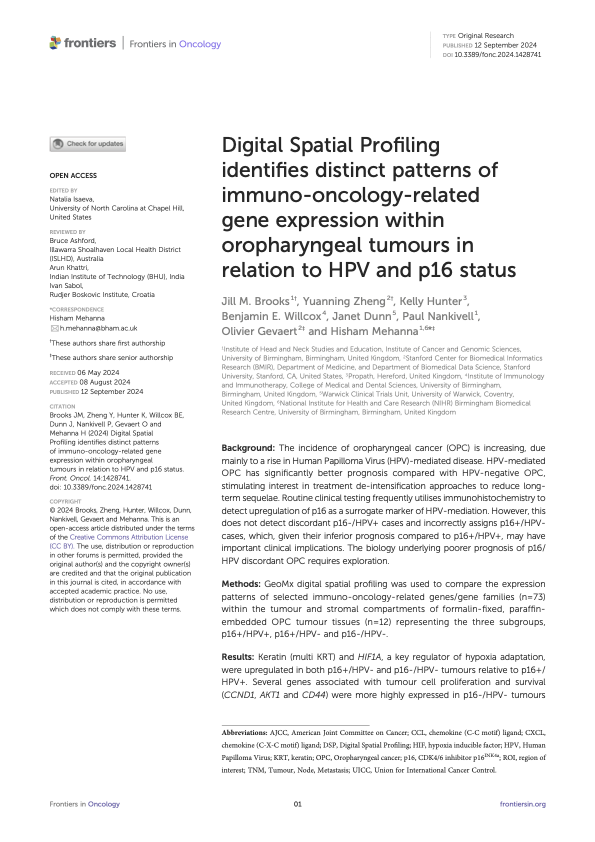
First page of Frontiers in Oncology 2024 publication

Brooks J*, Zheng Y*, Hunter K et al. Digital Spatial Profiling identifies distinct patterns of immuno-oncology-related gene expression within oropharyngeal tumours in relation to HPV and p16 status. Frontiers in Oncology, 14, 2024.

First page of Nature Communications 2023 GBM360 publication

Zheng Y, Carrillo-Perez F, Pizurica M et al. Spatial cellular architecture predicts prognosis in glioblastoma. Nature Communications, 14(4122), 2023.

First page of Cell Reports Methods 2023 EpiMix publication

Zheng Y, Jun J, Brennan K et al. EpiMix is an integrative tool for epigenomic subtyping using DNA methylation. Cell Reports Methods, 3-100515, 2023.

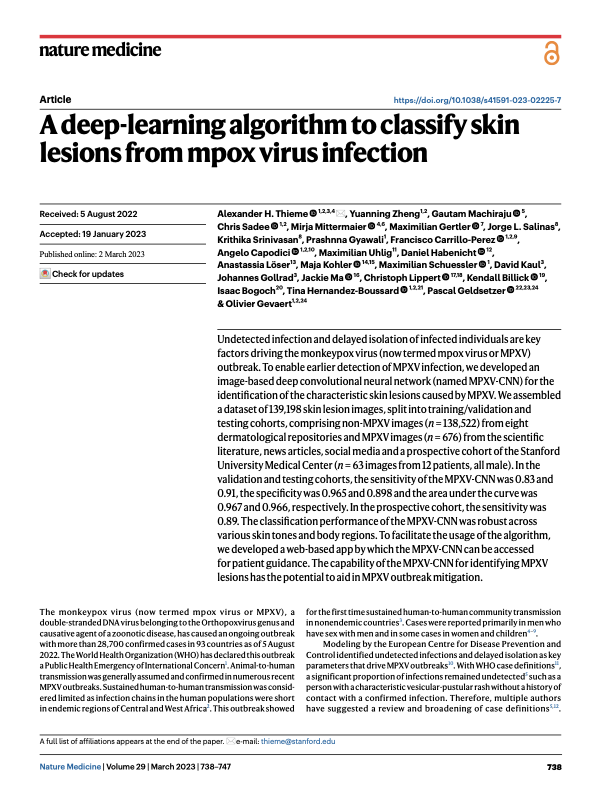
First page of Nature Medicine 2023 publication

Thieme AH, Zheng Y, Machiraju G et al. A deep-learning algorithm to classify skin lesions from mpox virus infection. Nature Medicine, 29, 738-747, 2023.

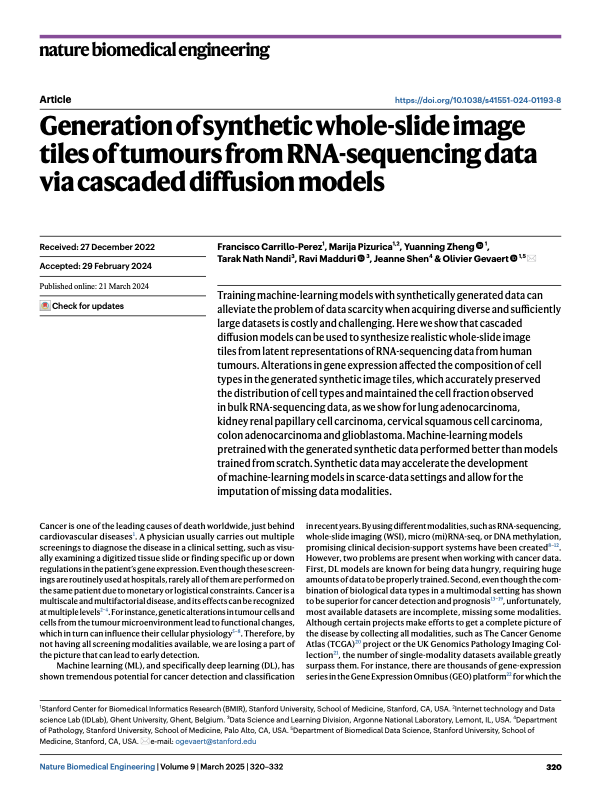
First page of Nature Biomedical Engineering 2024 publication

Carrillo-Perez F, Pizurica M, Zheng Y et al. Generation of synthetic whole-slide image tiles of tumours from RNA-sequencing data via cascaded diffusion models. Nature Biomedical Engineering, 2024.

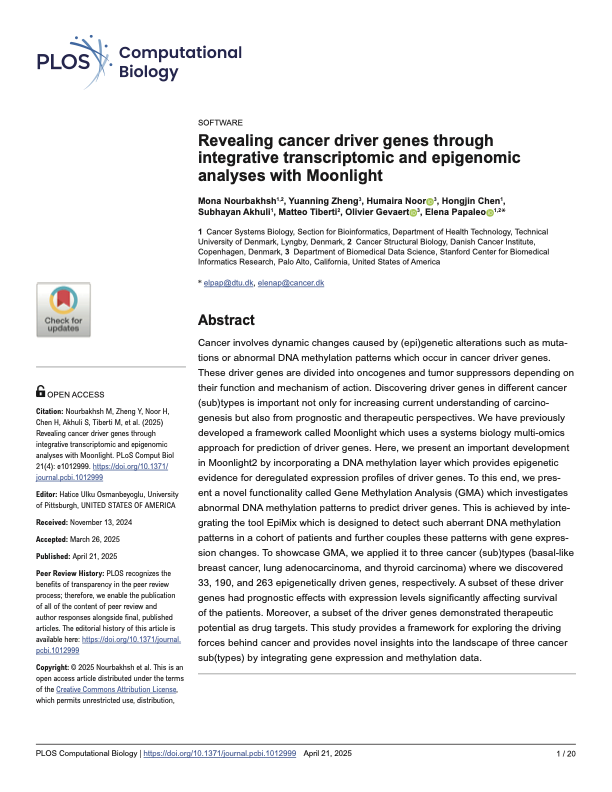
First page of PLOS Computational Biology Moonlight publication

Nourbakhsh M, Zheng Y, Noor H et al. Revealing cancer driver genes through integrative transcriptomic and epigenomic analyses with Moonlight. PLOS Computational Biology, 21(4), e1012999, 2025.

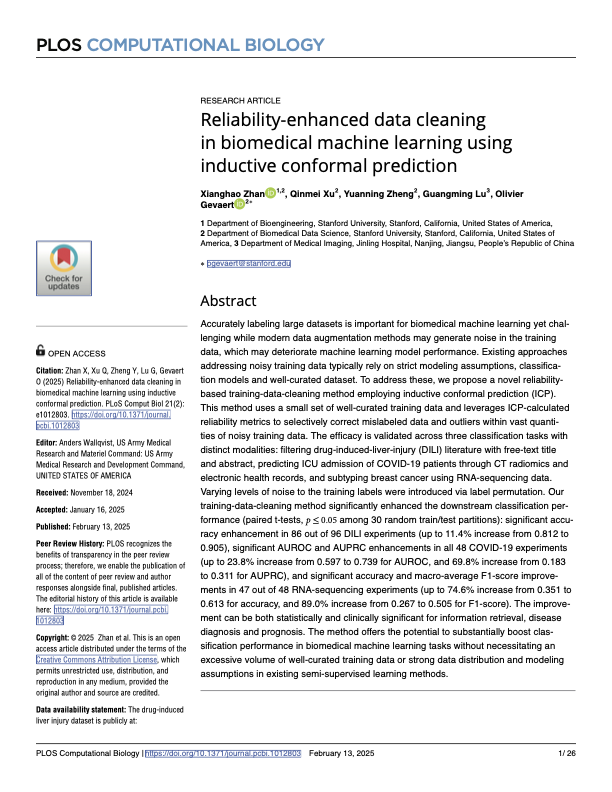
First page of PLOS Computational Biology reliability publication

Zhan X, Xu Q, Zheng Y et al. Reliability-based cleaning of noisy training labels with inductive conformal prediction in multi-modal biomedical data mining. PLOS Computational Biology, 21(2), e1012803, 2025.

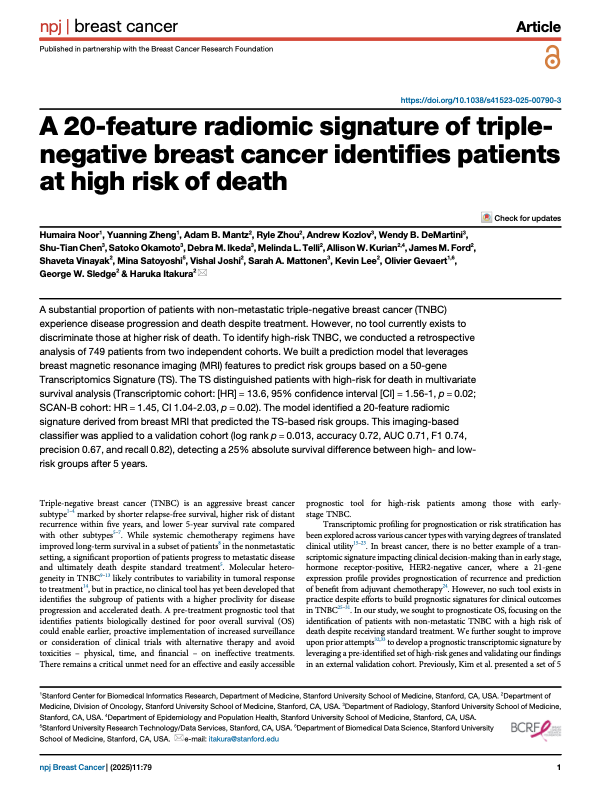
First page of npj Breast Cancer 2025 publication

Noor H, Zheng Y, Mantz A et al. A 20-feature radiomic signature of triple-negative breast cancer identifies patients at high risk of death. npj Breast Cancer, 11-79, 2025.

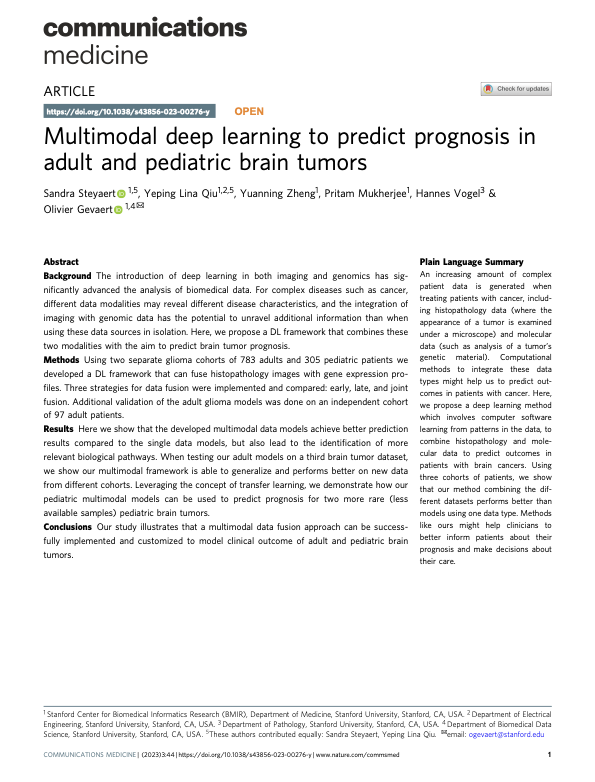
First page of Communications Medicine 2023 brain tumors publication

Steyaert S, Qiu YL, Zheng Y et al. Multimodal deep learning to predict prognosis in adult and pediatric brain tumors. Communications Medicine, 3-44, 2023.

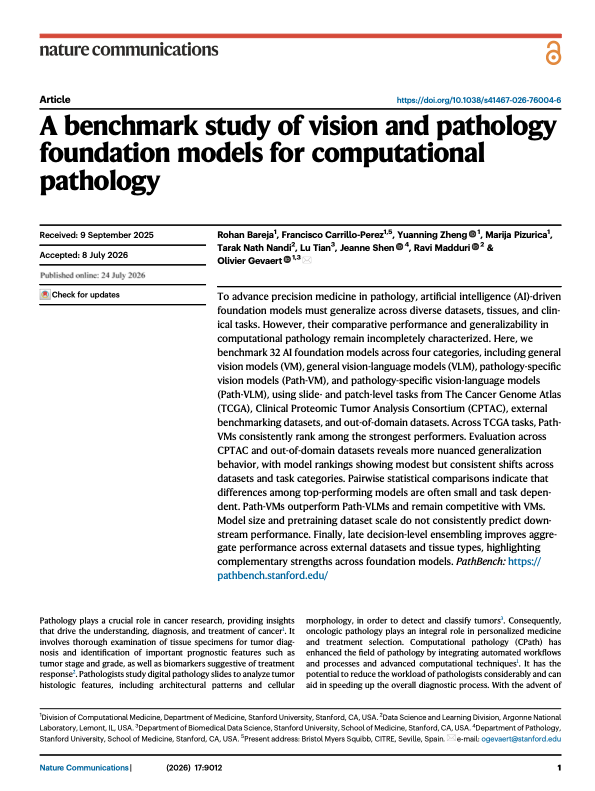
First page of Nature Communications accepted foundation models benchmark publication

Bareja R, Carrillo-Perez F, Zheng Y et al. Evaluating Vision and Pathology Foundation Models for Computational Pathology: A Comprehensive Benchmark Study. Nature Communications, accepted.

Team

Lab members

We are recruiting highly motivated PhD students, postdoctoral fellows, and research staff who are passionate about developing next-generation spatial intelligence and multi-modal AI to advance precision medicine, energy systems, and environmental science. Successful candidates will have:

  1. Strong programming and computational skills in languages such as Python, R, or C++;
  2. Experience with modern deep-learning frameworks and AI software packages such as PyTorch, TensorFlow, or related machine-learning libraries;
  3. Preferred experience in imaging, signal, or text processing using tools such as OpenCV and related computational frameworks;
  4. A strong interest in applying AI to real-world challenges in medicine, healthcare, energy, and environmental systems;
  5. A collaborative mindset, intellectual curiosity, and excellent communication skills.

Candidates with backgrounds in artificial intelligence, machine learning, computational biology, computer vision, medical imaging, bioinformatics, data science, electrical engineering, or related quantitative disciplines are highly encouraged to apply.

Interested applicants should send the following materials to the PI's email address:

  1. Curriculum vitae (CV);
  2. A cover letter describing their research experience, technical background, and long-term career goals;
  3. Contact information for three references, including their relationship to the applicant.
Yuanning Eric Zheng headshot

Principal investigator

Yuanning (Eric) Zheng, PhD

Spatial AI, multimodal biomedicine, digital pathology, and translational AI.

zheng1361@gmail.com

PhD student

Recruiting soon

Future trainee in spatial AI for complex biological and physical systems.

Postdoctoral scholar

Recruiting soon

Future researcher in foundation models, imaging processing, and translational AI.

Software engineer

Recruiting soon

Future builder of robust research software, model infrastructure, and data platforms.

Alumni

Current and previous trainees

  • Jane Feng (Stanford Cancer Immunology Program)
  • Clove Tayler (Stanford Cancer Immunology Program)
  • Alexa Chen (Stanford Institutes of Medicine Summer Research Program)
  • Keshav Narang (Stanford Institutes of Medicine Summer Research Program)
  • Arnoldo Sanchez (Stanford-Foothill STEM Internship Program)
  • Jessie Altamirano (Stanford-Foothill STEM Internship Program)
  • John Jun (Undergraduate research program)
  • Markus Sujansky (Undergraduate research program)

Contact

Collaborations

We welcome collaborations and discussions with clinicians, pathologists, biologists, engineers, and industrial partners on multimodal AI, spatial intelligence, medical imaging, complex biological and physical systems, and translational applications in healthcare, energy, and environmental science.

Yuanning (Eric) Zheng
zheng1361@gmail.com
LinkedIn